News
IUCN launches IslandPlas plastic recovery network in Zanzibar, Tanzania
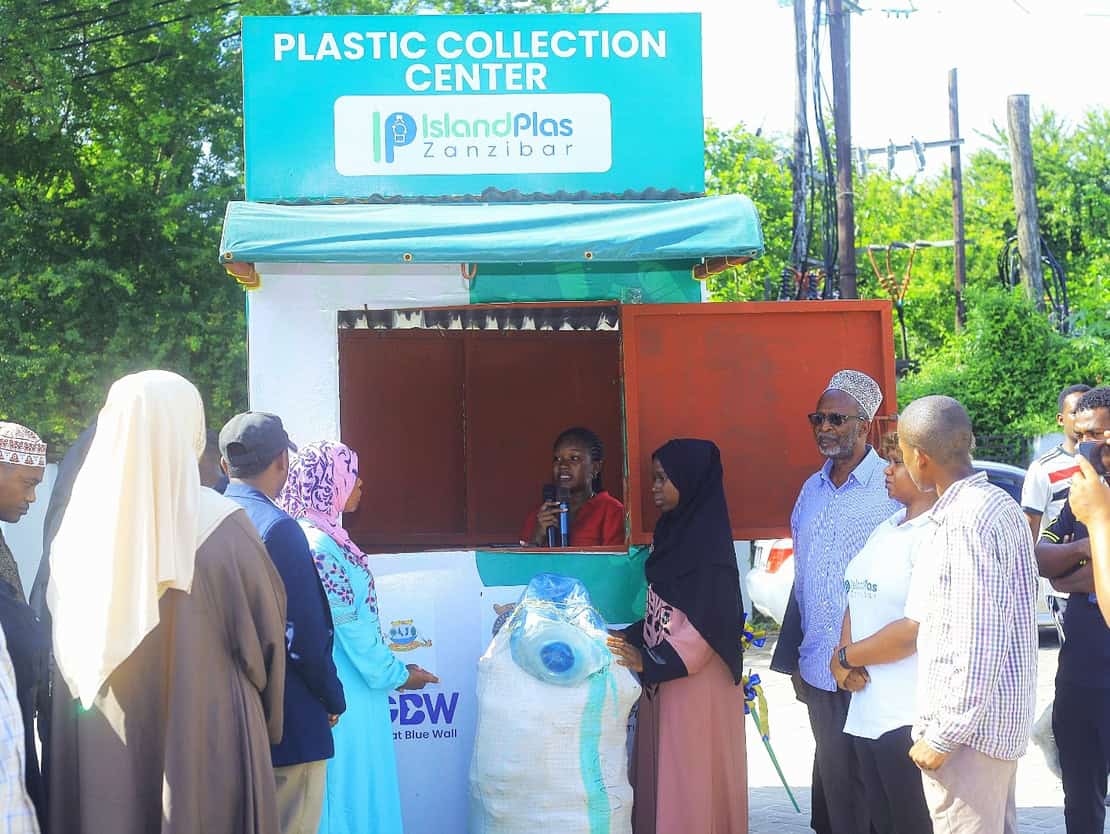
Photo: IUCN Tanzania/IslandPlas Project, A plastic collection centre in chake-chake, Pemba being launched by IslandPlas project for Zanzibar Island.
Pemba, Zanzibar – 22 May 2026 — The International Union for Conservation of Nature (IUCN), through the IslandPlas Project, today launched the PlastiNetwork plastic recovery network in Pemba, marking a significant step toward building an island-wide circular economy and plastic recovery system across Zanzibar.
IslandPlas is a project of IUCN US Fund supported through a generous grant from The Coca-Cola Foundation.
The launch was held alongside the May 2026 Adopt-a-Spot community clean-up campaign at Kibirinzi Hidden Park and brought together government institutions, municipalities, the Zanzibar Environmental Management Authority (ZEMA), recyclers, community organisations, women and youth groups, environmental partners, and informal waste sector actors working together to advance community-led solutions to plastic pollution in Zanzibar.
The event featured community clean-up activities across identified plastic pollution hotspots in Chake Chake, followed by plastic sorting, waste audits, and material recovery demonstrations led by project partners and recycling actors. Collected plastic materials were sorted, weighed, and prepared for recovery as community members, youth groups, and recyclers demonstrated practical approaches to reducing plastic leakage into Zanzibar’s coastal environment.
Implemented across seven African islands — Cabo Verde, Comoros, Madagascar, Mauritius, São Tomé and Príncipe, Seychelles, and Zanzibar — the IslandPlas Project supports efforts to reduce plastic pollution and strengthen circular economy opportunities for informal waste sector actors. The project is implemented by IUCN with support from The Coca-Cola Foundation as part of broader efforts to strengthen circular economy systems and reduce plastic waste leakage across African island ecosystems.
In Zanzibar, the initiative is helping expand locally driven recycling and plastic collection systems while creating new opportunities for informal waste collectors and recyclers in support of the broader vision to achieve Zero Plastic Waste Zanzibar.
“Before, plastic waste was something we threw away without understanding its value. Today, these collection centres are helping communities see plastic as an opportunity for income, recycling, and environmental protection,” said Yusra Abeid Khamis, a community member in Pemba
A key highlight of the event was the official operationalisation of the PlastiNetwork system across both Unguja and Pemba. The launch showcased how the system will support plastic collection, sorting, and recovery while creating economic incentives for community recyclers and strengthening local recycling efforts across the islands.
“Today, we are gathered here not to blame one another, but to take action. Plastic should not be seen as waste when it can be collected, separated, and transformed into economic opportunity for communities through systems such as these collection centres ” said The Guest of Honor Mrs. Shida Kombo, Municipal Director, Chake Chake Pemba Island
This initiative carries significant importance for Zanzibar for both Unguja and Pemba because it helps prevent plastic waste from being discarded into the environment while creating economic opportunities through circular economy approaches aligned with Zanzibar’s National Solid Waste Management Strategy. As a tourism-dependent destination, cleaner environments are essential for protecting Zanzibar’s image, public health, and coastal ecosystems,” said The Director General at Zanzibar Environmental Management Authority – Sheha Juma Mjaja
“ The launch of these 10 collection points across Unguja and Pemba marks an important step toward strengthening Zanzibar’s circular economy for plastics. Through IslandPlas, communities are being supported to access new recycling, business, and income opportunities while helping reduce plastic pollution across Zanzibar’s coastal and marine environment.”
Genovefa Feksi, National Project Officer for IslandPlas at IUCN
Discussions during the event also highlighted the critical role of women, youth, and informal waste sector actors in advancing community-based recycling systems and environmental stewardship across Zanzibar.
Plastic pollution continues to threaten coastal ecosystems, fisheries, tourism, and local livelihoods across island communities in the Western Indian Ocean. Through initiatives such as IslandPlas, IUCN and partners continue to support locally driven solutions that promote cleaner coastlines, stronger recycling systems, and more resilient coastal communities.
About IslandPlas
IslandPlas (Advancing Circular Solutions to Plastic Pollution in African Islands) is an IUCN regional initiative implemented across seven African islands with support from The Coca-Cola Foundation. The initiative works to reduce plastic waste leakage into the environment through circular economy solutions, strengthened recycling and recovery systems, community action, and support for informal waste sector actors.
About IUCN
The International Union for Conservation of Nature (IUCN) is a membership Union composed of government and civil society organisations working together to advance sustainable development and create a just world that values and conserves nature. Created in 1948, IUCN has grown into the world’s largest and most diverse environmental network, bringing together the knowledge and expertise of more than 1,400 Member organisations and 16,000 experts.
Media Contact
Ghaamid Abdulbasat Hatibu
Regional Ocean Communications Officer
IUCN Eastern and Southern Africa
Ghaamid.hatibu@iucn.org
+255653949306