News
Mekong FLOW gets underway in Cambodia, Lao PDR, Thailand and Viet Nam
Across the Lower Mekong, wetlands and floodplains sustain fisheries, farms and wildlife for millions. Following the official launch of Mekong FLOW in February 2026, work has been underway across Cambodia, Lao PDR, Thailand and Viet Nam to protect these vital landscapes. Funded by The Coca-Cola Foundation, the project will restore and conserve wetlands and floodplains throughout the Lower Mekong to strengthen community resilience to flood and drought.
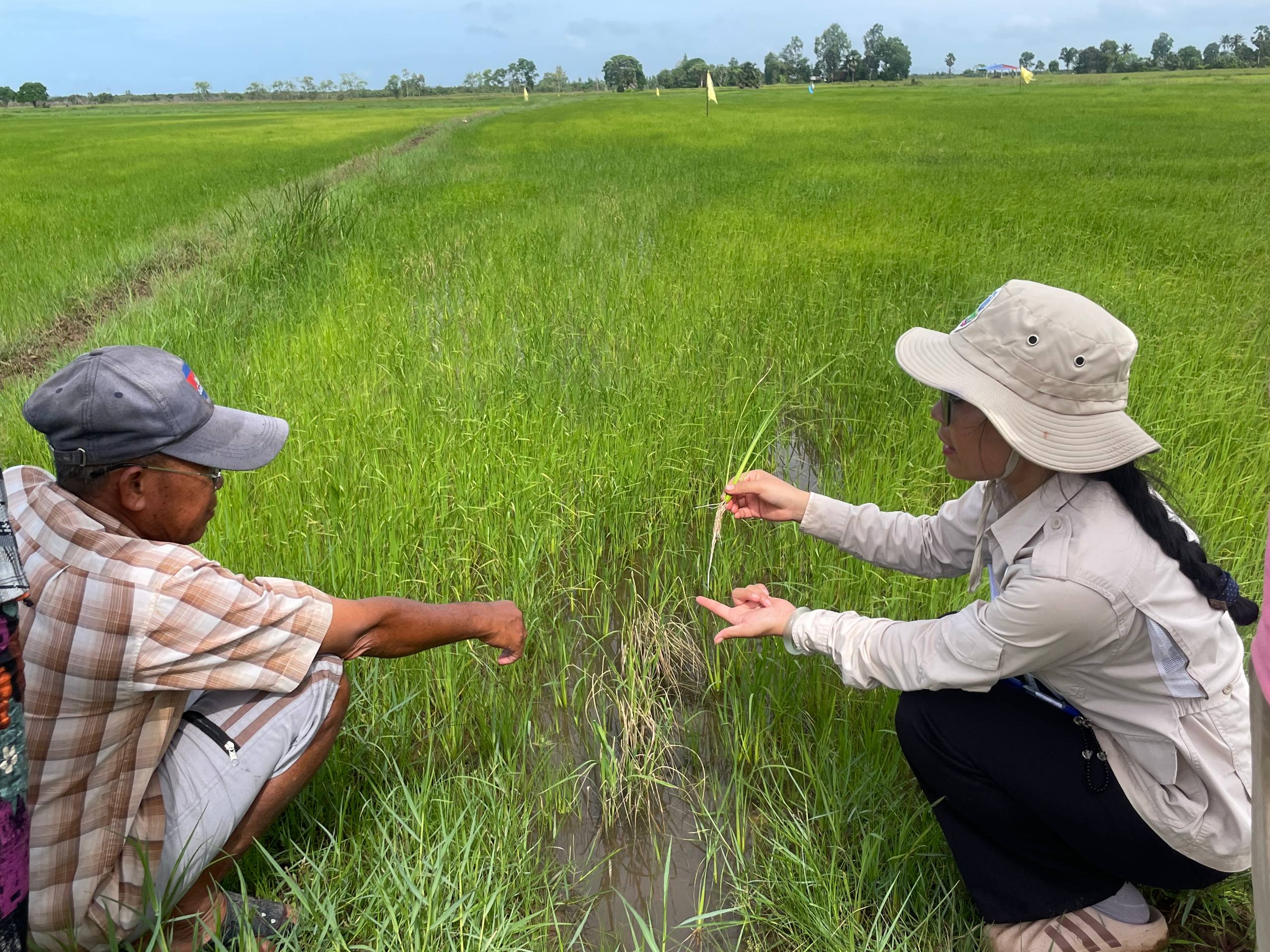
WTT conduct meetings with communities to understand the challenges of agricultural intensification. Photo: Wildfowl and Wetlands Trust
Community members identify the fish species found in the Xe Champhone Ramsar site. Photo: FISHBIO
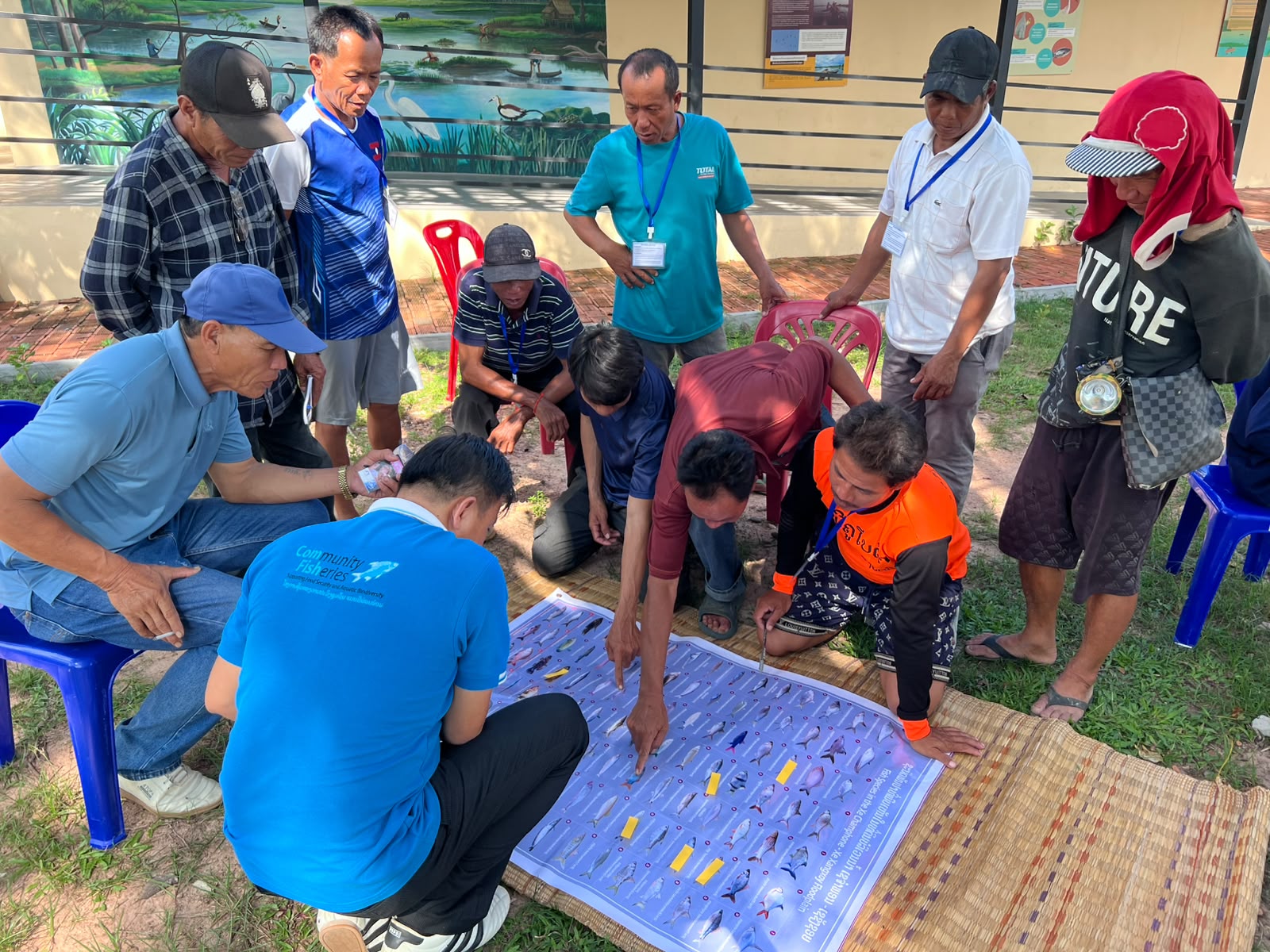
Photo: Kathryn Bimson, IUCN Asia
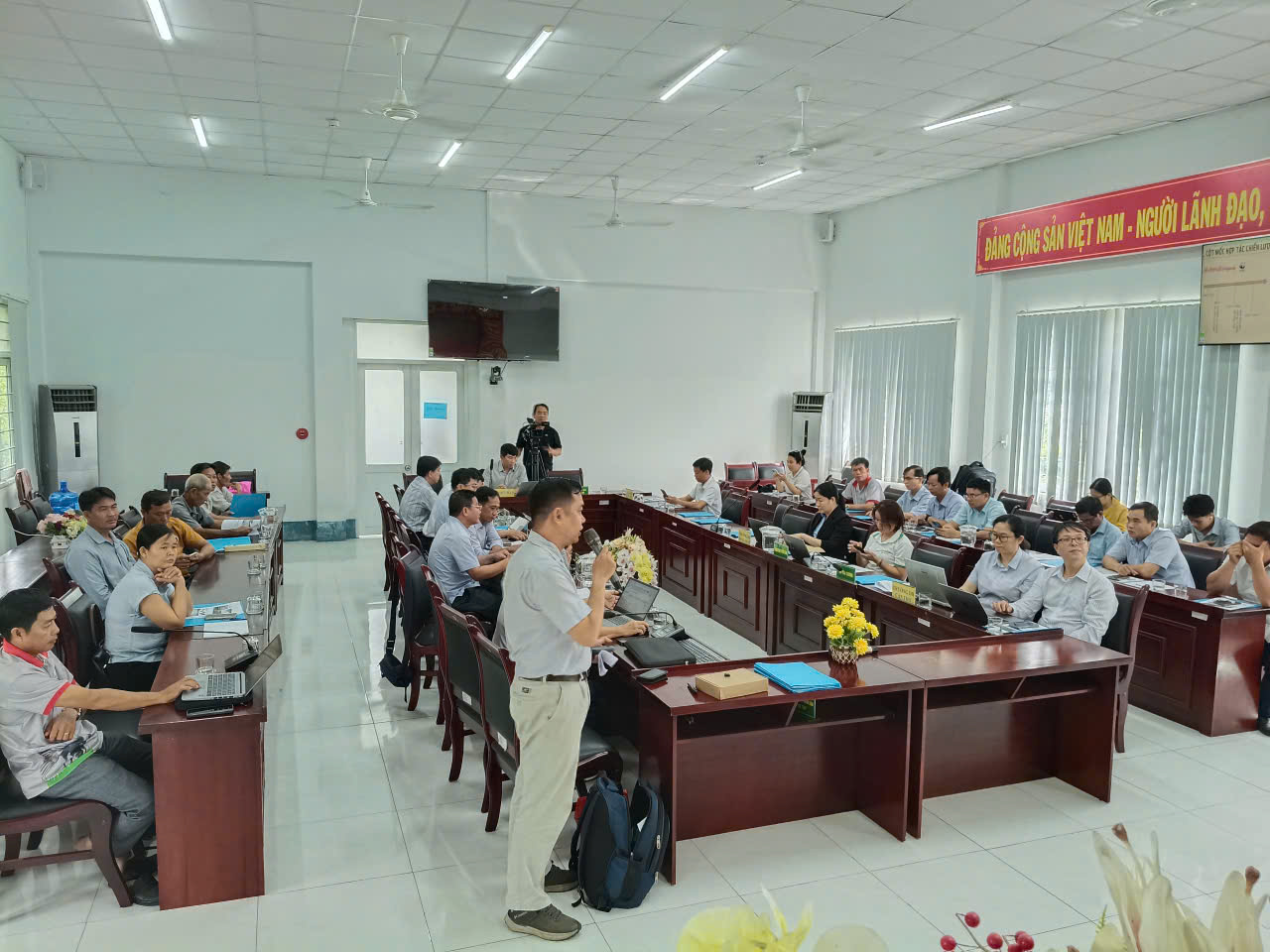
IUCN Viet Nam held a kick-off meeting for the project in the park’s three buffer-zone communities. Photo: IUCN Viet Nam
Between July and September, partners held consultations and kick-off meetings at each of the four sites.
Cambodia: Conserving the last remaining flooded grassland habitat
The Boeung Prek Lapouv Protected Landscape is one of the largest remaining flooded grasslands in the Mekong Delta, and a critical reserve for the Sarus crane, the tallest flying bird in the world. Project partner the Wildfowl & Wetlands Trust (WWT) is working with representatives and residents of 13 villages to develop a management plan for this essential landscape. Alongside protecting this species, WWT and IUCN aim to address the challenges of agricultural intensification through sustainable land and water management, stronger local governance and diversified nature-based livelihoods, such as community fisheries and wild resource harvesting.
Lao PDR: Reconnecting a river
Xe Champhone wetland is one of the largest wetland ecosystems in Lao PDR, and hosts one of the largest global populations of the critically endangered Siamese crocodile. Project partner, FISHBIO, is working to establish a fish passage to reconnect the Xe Champhone River with the upstream Ang Jao reservoir.
The Ang Jao Reservoir, at the heart of Lao PDR’s largest Ramsar Site, was once a fully natural seasonal wetland. However, modifications over four decades ago, to improve dry season irrigation supply, has had the unintentional consequence of blocking important feeding and spawning habitat for many fish species. Once built, the fish passage will allow fish to migrate in and out of the reservoir during the wet season, while maintaining existing dry season storage for the area’s important rice production, a solution that aims to increase both biodiversity and food security. During consultations, local stakeholders decided that a district committee should be established to monitor fish conservation zones and enforce regulations to reduce illegal fishing along the passage.
Thailand: Restoring and conserving flooded forests
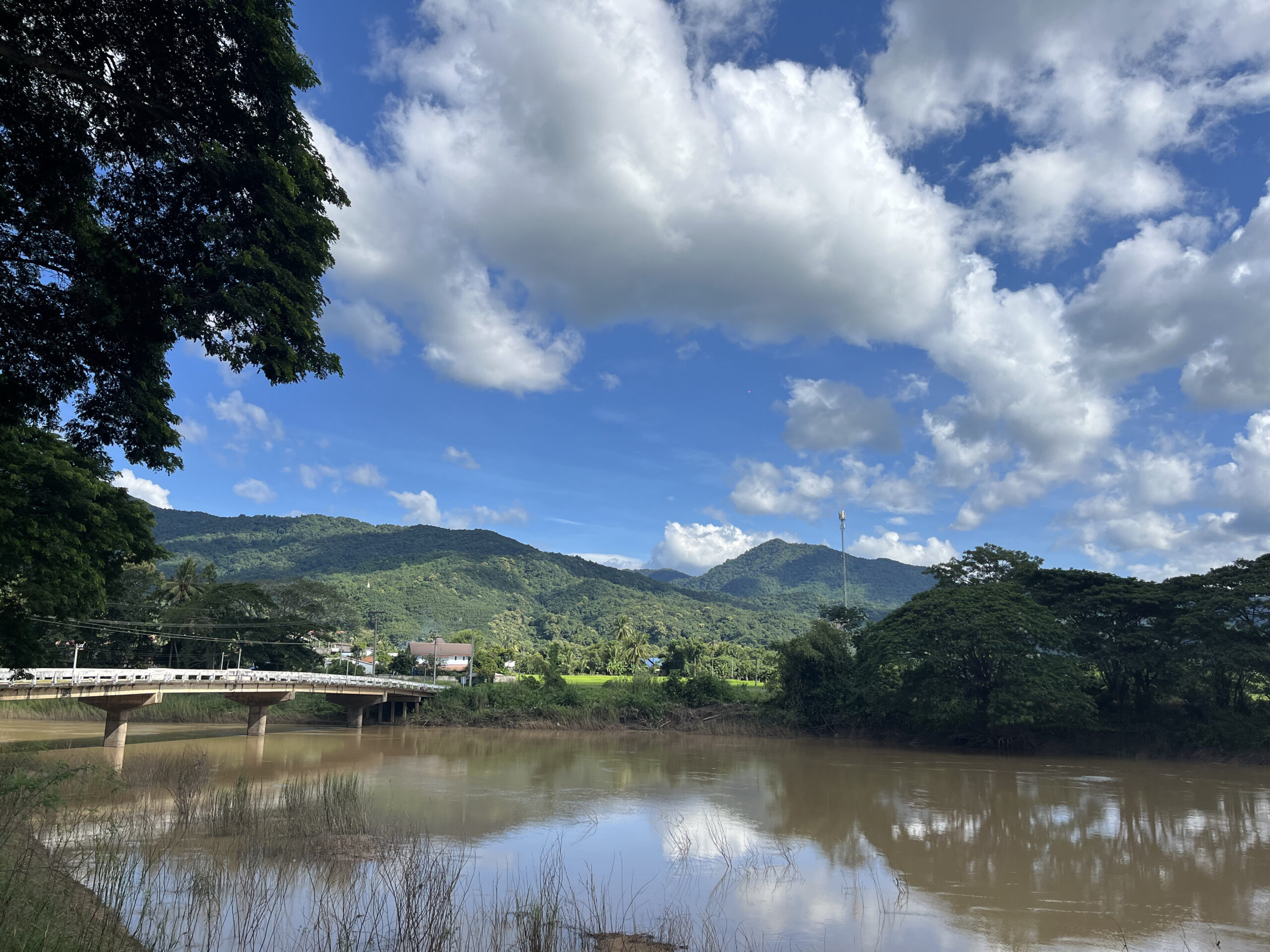
One of the last remaining flooded forest habitats in Thailand is found along the Ing River, a tributary of the Mekong in Chiang Rai. Living Rivers Association held consultations with the provincial Department of Water Resources and local communities. The project builds on community-led efforts to conserve this critical wetland. Since 2018, the community have worked with provincial leaders to designate the site a wetland of international importance – Ramsar Site – which would safeguard the area from future development plans. The project aims to support existing efforts, working with communities to ensure a more sustainable future for those who rely on these ecosystems for their lives and livelihoods.
Viet Nam: Adapting for resilient livelihoods
The low-lying plains, canals and agricultural lands surrounding Tram Chim National Park support both local biodiversity and livelihoods. On 31 July, Tram Chim National Park and IUCN Viet Nam held a kick-off meeting for the project in the park’s three buffer-zone communes of An Hoa, Phu Cuong and Phu Tho. IUCN will support and strengthen nature-based and flood-adapted livelihoods, such as farming systems that allow rice and fish to be raised together in the same flooded paddy field, also known as rice-fish farming systems.
During the kick-off meeting, partners discussed the practical needs of local communities as well as challenges and solutions for flood-adapted agricultural models designed to improve community resilience to climate change.
“We look forward to seeing these local solutions strengthen livelihoods and help communities to adapt to floods and droughts.”
Venkat Iyer
Senior Director Water and Agriculture, The Coca-Cola Foundation
As the project moves from planning to implementation, IUCN will work with partners to ensure that healthy wetlands and thriving communities go hand in hand.


