News Stories
IUCN US Fund CEO Reflects on UN CBD COP17 in Yerevan
By Dr. Tracy Farrell, IUCN US Fund CEO
November 2026
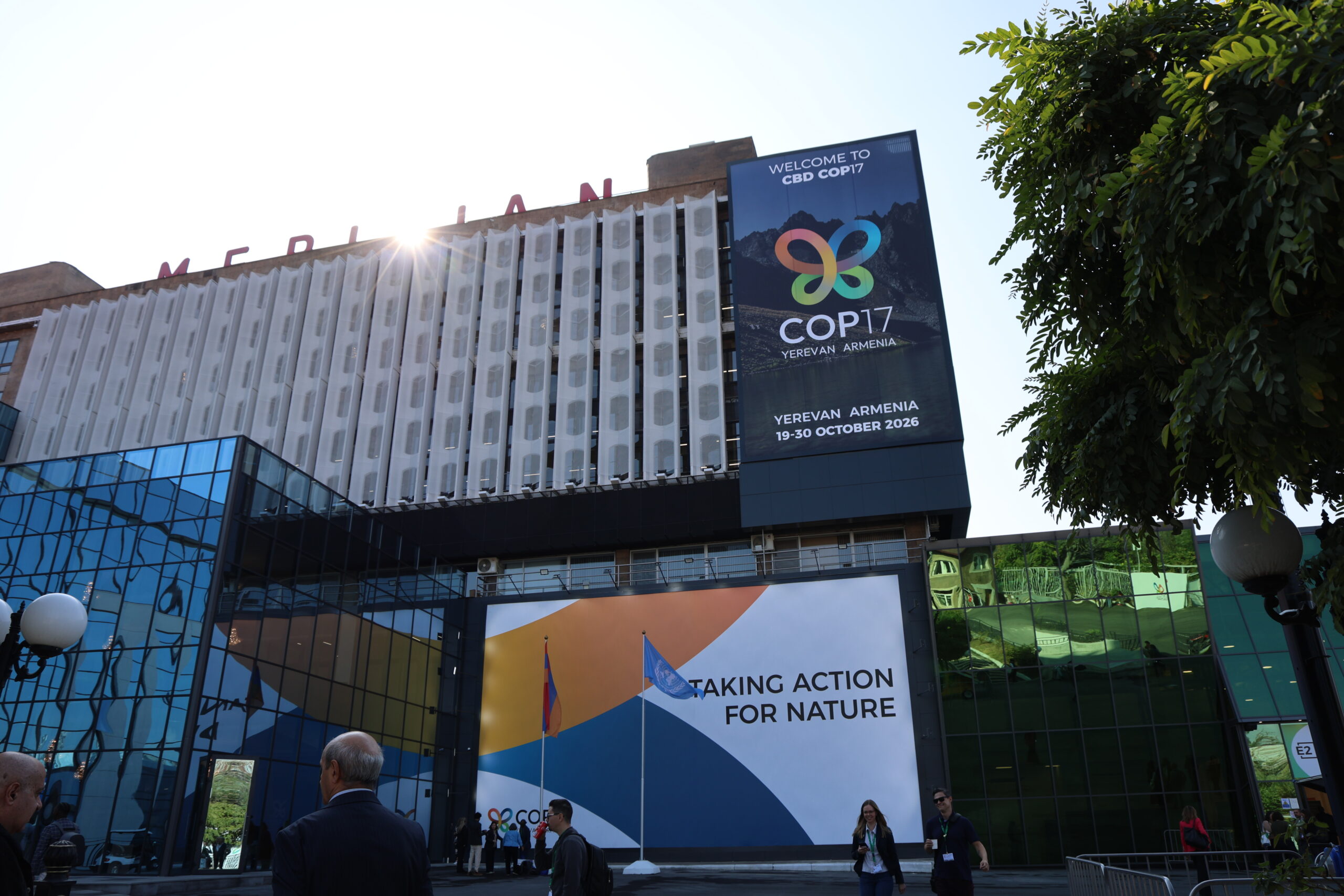
I’ve just returned from two weeks in Yerevan, Armenia, where I attended the UN Biodiversity COP. Every two years, the Conference of the Parties to the UN Convention on Biological Diversity (CBD) meets to take stock of progress towards our shared goals for nature and set the direction for the future.
What is the UN Convention on Biological Diversity?
The UN CBD is an international treaty that aims to conserve biodiversity, use it sustainably, and share the benefits of genetic resources fairly. It was opened for signature at the 1992 Rio Earth Summit and entered into force in 1993. 195 countries plus the European Union are Parties. The US signed in 1993, but the Senate never ratified it, so the US attends COPs as an observer.
Where the world stands
In 2022, Parties agreed the Kunming-Montreal Global Biodiversity Framework (GBF), with 23 targets covering protected areas, restoration, conservation finance, fairer use of genetic resources, greener cities, harmful subsidies, Indigenous knowledge and more. Countries then submitted National Biodiversity Strategy and Action Plans (NBSAPs) setting out how they would reach those targets, followed by National Reports reviewing their progress. The CBD Secretariat consolidated these into the Global Report, The State of Biodiversity Action, published in late September 2026.
Based on what countries plan to do and what they’re actually getting done, we are not on track to meet any of the 23 targets by 2030. Countries need to accelerate implementation, and they also need more ambitious NBSAPs that fully address all 23 targets. I’m pragmatic about what this report shows and misses, and optimistic about the opportunities in the gaps. Entities other than national governments, such as US states, Canadian provinces, cities, Indigenous territories, NGOs and universities, are invited, though not required, to report how their work supports the GBF. Only 180 submitted usable reports, so much of their work was not included in the Global Report. Governments are encouraged to include subnational and civil society action in their national reporting, but it’s a challenging task to collect it all. As a result, much of what is happening on the ground isn’t counted when we assess how the world is doing. I know firsthand, and through many IUCN Members, how subnational governments, civil society, and Indigenous Peoples organizations are contributing to progress towards our shared global biodiversity goals in more ways than appear in reporting.
The US presence in Yerevan
Much US environmental action happens at the subnational level. The US is one of just two UN members or observer states that are not Parties to the CBD (along with the Vatican), and the US government has never formally joined IPBES, the “IPCC for nature”. So there was no official federal delegation at COP17. But I was encouraged by the number of US delegates, networks, advocates, NGOs, and state and city leaders who came. I was closely connected to many of them, through the California Global Biodiversity Alliance, or CalGBA, where I sit on the Steering Committee, and also through IUCN’s own subnational delegation. The US presence was strong, visible and vocal, as it was at COP16 in Cali, Colombia, in 2024. Many US scientists also take part in IPBES as authors and reviewers in their individual capacity, and the US engages with CBD COPs through subnational governments, civil society and educational institutions.
Delegations from California and New York were particularly strong, though other states and cities were well represented too. They held panels and shared expertise, science and local work with national focal points from around the world. US voices were not just heard, but listened to.
– California drew crowds and applause at the Oceans Pavilion for expanding its network of Marine Protected Areas and designating two new Tribally-led MPAs.
– New York State Senator Erik Bottcher announced legislation establishing New York City’s first Urban Forest Master Plan at the Subnational Summit organized by ICLEI and CBC.
– The IUCN Pavilion had a packed house for our panel on the Union’s emerging Subnational Strategy, which brought together the State of California, Government of Quebec, Government of Catalonia, the City of Paris and the City of Cape Town to shape how IUCN will engage with, and take guidance from, subnational Members.
– I led a workshop on how subnational Members, including California, are using IUCN’s science and tools, including adapting the Green List of Ecosystems framework to list California’s entire MPA network. We also discussed adapting the IUCN Urban Nature Indexes and Urban Toolkit for subnational governments, including US states. I also serve on the Steering Committee of CalGBA.
This COP was eye-opening. Even after 5 years with IUCN, I saw in person how the Union can support US states and cities to bring ambitious voices to global negotiations, align their actions with global standards and frameworks, and take a leadership role.
What Parties decided
Over two weeks of discussions, working groups and plenaries, Parties adopted nearly 50 formal Decisions spanning protected areas and forests, wildlife management, invasive alien species, marine biodiversity, education, finance and more. They also adopted the “Yerevan Pathway,” a negotiated response to the first global review of GBF progress. The full texts are on the COP17 meeting page. These are the tracks my colleagues and I followed most closely:
Subnational engagement: This was a key issue for IUCN and for me personally, and we made progress. Countries were further encouraged to include local priorities in their national plans and reports, and to support local biodiversity strategies. The Decision also asks the Secretariat to compile evidence on whether biodiversity finance reaches local governments and report back before COP18, though it doesn’t guarantee that funding will flow. ICLEI’s take on the outcomes is worth reading, as they lobbied for more subnational visibility and leadership.
Marine: IUCN colleagues regretted that the entry into force of the BBNJ Agreement was not welcomed in the official decision text. Conserving the global ocean is indispensable for the 2030 targets, and the CBD and the High Seas Biodiversity Treaty have important synergies as the international community prepares for the treaty’s first COP in January 2027.
Protected areas: Protected Planet data show 18.7% of the world’s land and inland waters and 10% of its oceans protected. With four years to go, advocates warned that we are behind schedule for protecting 30% by 2030. Parties adopted an updated programme of work on protected areas and launched the Yerevan Global OECM Action Hub, in partnership with IUCN, to support the 30×30 goal.
Communications, education and public awareness: Good news here. Parties welcomed a draft global plan of action for biodiversity education, asked the Executive Secretary to run a peer review to develop it further, and encouraged open-access digital resources and mainstreaming biodiversity into school curricula. They also encouraged Parties to integrate biodiversity education into their NBSAPs, something IUCN has supported, which could help countries get more specific about aligning education with their nature goals.
Financing: IUCN welcomed two financing decisions: the criteria for permanent arrangements for the Convention’s financial mechanism, and the decision on digital sequence information (DSI), the genetic data used in research and product development. The DSI decision sets up an open-ended working group to get the Cali Fund, which shares the benefits of DSI use, ready to operate before COP18 in Quito in 2028. IUCN also welcomed progress on the Fund’s contribution rates, certificates and funding allocation. The topic is complex, and mobilizing money for biodiversity remains a major challenge for implementing the Framework.
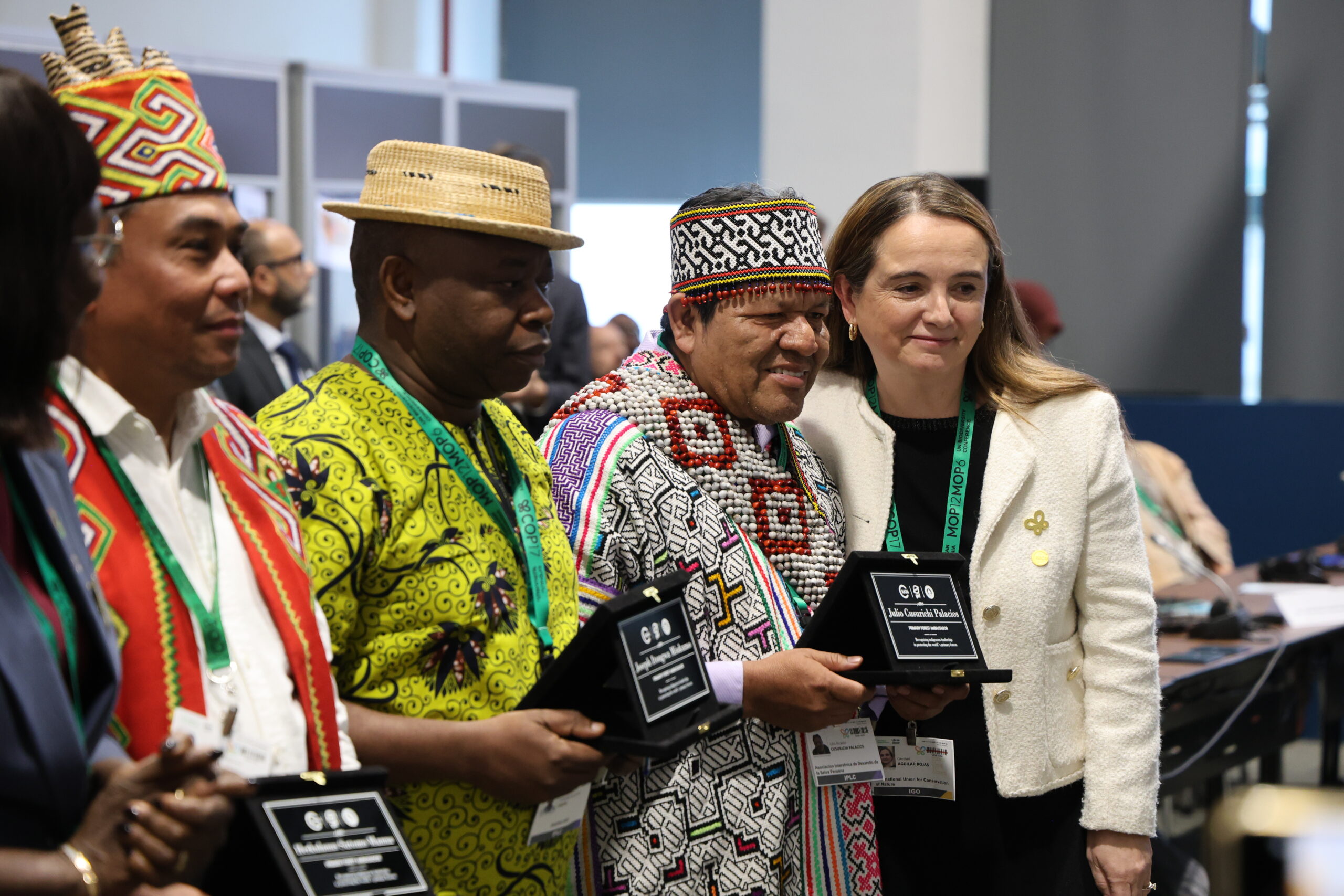
Indigenous leadership: COP17 fully set up a permanent body under Article 8(j) that lets Indigenous Peoples and local communities advise governments and help draft decisions, with one of its two co-chairs nominated by Indigenous and community representatives themselves. Reactions were positive but cautious, because the body is advisory and doesn’t guarantee that its recommendations will shape policy.
Why I’m proud of this work
As IUCN Regional Director for North America and CEO of IUCN US Fund, I’m proud that we help ensure not only national governments, but also states, cities, NGOs and Indigenous Peoples organizations have access to the best science and tools for nature decisions, policy and transformative change.
I’m also proud of our home base in Washington DC. We opened a new office and event space last month. It’s home to about 50 global IUCN staff, including our Chief Economist, Head of Climate, and Head of Forests and Grasslands, and it’s where we liaise with multilateral partners like the Global Environment Facility. We hope it becomes a true hub for our nearly 200 institutional Members across the region.
And I’m proud of IUCN US Fund, which connects major US foundations and donors to first-in-class, locally-driven conservation projects in some of the world’s most vulnerable areas, while building US support for IUCN’s Secretariat and the catalytic role it plays for Members and Commission experts worldwide.
What comes next and how to get involved
The coming years are critical. We have a short window to prevent major extinction crises and further climate overshoot. Two more opportunities before 2030 are the once-in-a-decade IUCN World Protected and Conserved Areas Congress in Panama in September 2027 and CBD COP18 in Quito, Ecuador, in 2028.
There are a few ways to get involved in this work. If you run an organization, look into IUCN Membership. If you’re an individual expert, consider becoming an IUCN Commission member. If you’d like to fund this work, consider donating to IUCN US Fund, as US donors help bring diverse voices to the global policy fora.
Together, we are a force for nature.
Photo: IUCN, COP17 IUCN Delegation
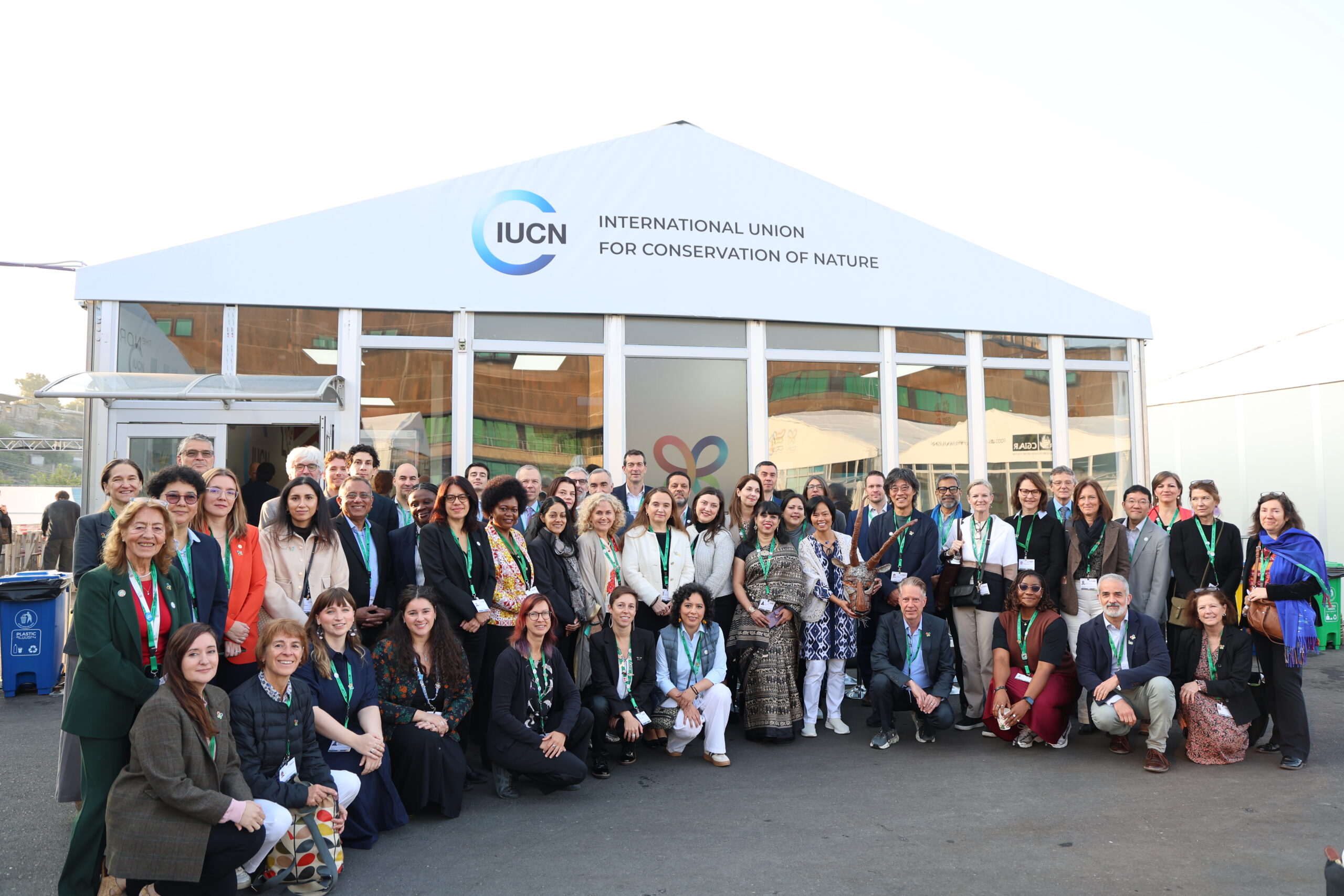
Photo: IUCN, CBD COP 17 – 27th of Oct – Presidency flagship monitoring announcement
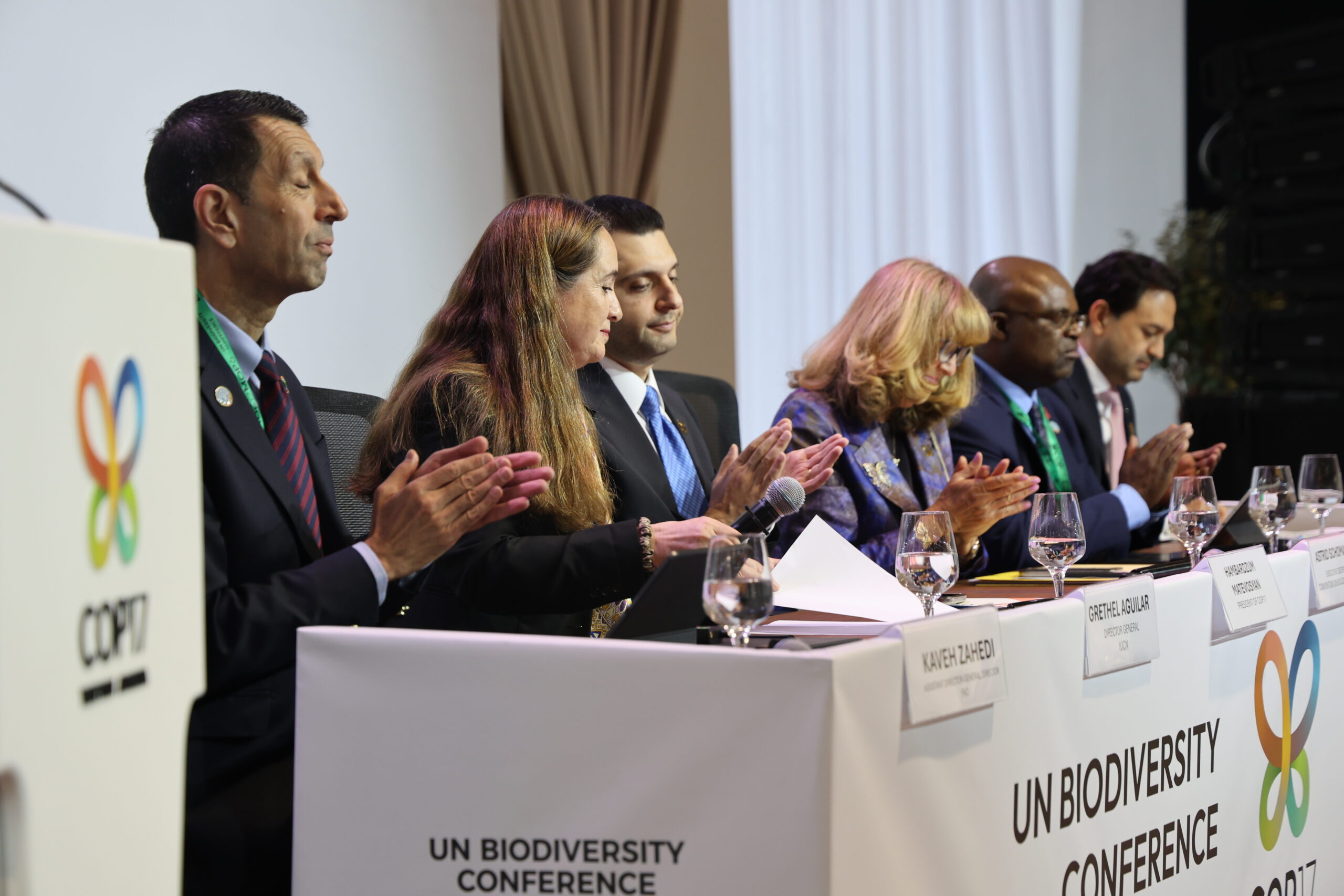
Photo: IUCN, Indigenous Primary Forest Ambassadors session